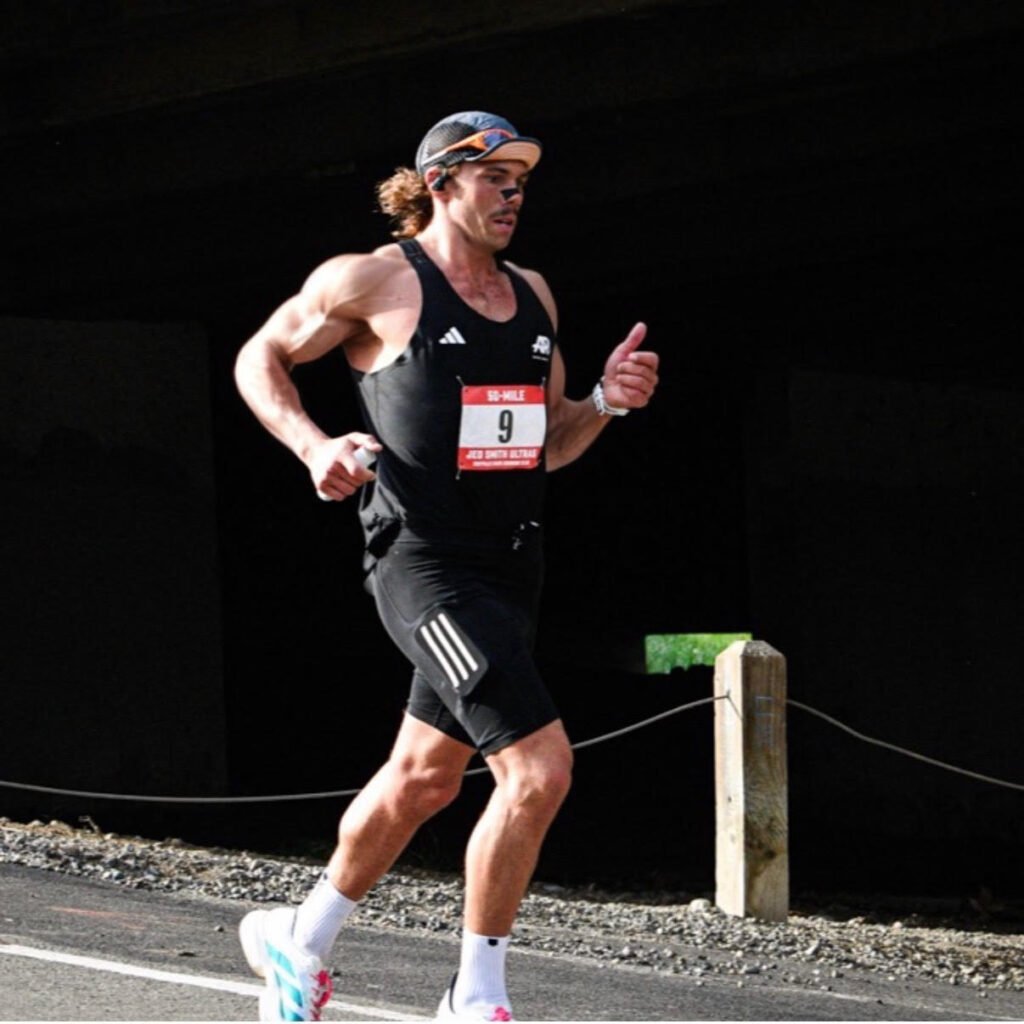
A week after running 50 miles in California in 6 hours and 27 minutes, I got sick.
Not tired. Not sore. Sick.
The timing almost felt disrespectful. I had just finished the first of twelve ultramarathons I plan to run this year. I knew the direction I was going. The goal wasn’t finishing anymore, it was moving toward 5:45. That meant structure, specific workouts, speed sessions layered carefully on top of high mileage. The work that actually makes you better had just begun.
Then the fever showed up.
Every ambitious person eventually meets this moment. The plan exists. The calendar exists. But reality changes. Now you have to decide whether discipline means pushing forward or pulling back.
At sixteen I would have run harder. I would have told myself toughness meant ignoring the body. Sweat it out. Outwork the setback. Earn progress.
The older I get, the more endurance sports teach a quieter lesson. Your body keeps receipts. You can borrow from tomorrow, but you will always pay it back with interest.
So I kept running, but I changed the purpose. No workouts. No splits that meant anything. Just low intensity movement and going by feel. On paper that looks like regression. Improvement requires stress. And yes, technically I was not getting faster that week.
But the panic people feel during interruptions isn’t really about fitness. It is about fear of falling behind.
We live inside numbers now. Watches tell us readiness scores. Apps tell us VO₂ max. Weekly mileage totals become identity. When something interrupts that upward line, it feels like progress disappears. Yet physiologically, most endurance fitness does not vanish quickly. The aerobic system changes slowly. Studies consistently show that over short periods the body retains the majority of its cardiovascular adaptations. What fades first is sharpness and rhythm, not the engine.
In simple terms, your speed dulls before your endurance shrinks.
That means the anxiety is psychological long before it is physical.
Running easy while sick served a different purpose. The brain predicts effort based on recent experience. When you stop moving completely, the brain recalibrates and future effort feels harder even if the body didn’t change much. Gentle movement keeps familiarity alive. You are not building fitness in that moment. You are protecting continuity.
I wasn’t training my legs. I was reminding my brain who I am.
What surprised me most was the feeling of being both exhausted and restless. Physically drained but mentally hungry. Hungry to do the sessions that actually move performance forward. Hungry to feel progress happening right now.
That hunger is where people start comparing.
You tell yourself you want to be the best, and instantly your focus leaves your own effort and attaches to other people’s outcomes. Comparison activates the part of the brain that measures status instead of the part that executes action. Motivation shifts from doing the work to proving the worth of the work. Effort becomes judgment.
That is why comparison feels heavy. You stop running your race and start negotiating your identity.
So I changed the sentence. I stopped saying I want to be the best. I started saying I am becoming the best version of me. It sounds small, but psychologically it shifts attention inward. The brain treats the run as a task again instead of a test. Stress drops and consistency rises because you are no longer defending who you are, only building who you are becoming.
Training and life both follow the same pattern. Stress, recovery, adaptation. A slingshot must move backward before it launches forward. Illness feels like regression because motion slows, but often it is the pull before acceleration. Fighting the pull is where athletes stall progress. When you force intensity while the immune system is active, the body diverts resources toward survival instead of adaptation. You don’t gain toughness, you delay growth.
The discipline is not pushing through the fever. The discipline is patience.
So the week looked unimpressive. No workouts worth posting. No numbers validating the goals I have set. On paper I was not improving. But endurance improvement rarely appears in real time. Fitness compounds quietly. The body stores consistent work like interest you cannot check daily.
I realized I was not training for the next race. I was training for the version of me that shows up months from now. Future performance is built by protecting continuity more than by chasing heroic days.
And something changes when effort matches reality. Motivation stops feeling fragile. Confidence becomes calmer. Progress feels stable instead of urgent.
People think progress is pace and mileage. Progress is the ability to keep going without panic when the plan breaks.
I am still not doing speed work yet. I am still not proving anything this week. But I can feel accumulation happening underneath the surface.
Pulled back, not stopped. Delayed, not denied.
All I know is the energy is building day after day for a version of me that does not exist yet, but will.